Keep leads organized.
Connect forms, qualify incoming leads, and route information into your CRM.
AI AUTOMATION SERVICES & WORKFLOWS
I build AI workflows, n8n and Zapier automations, and API integrations that turn repetitive work into reliable systems. Pick a topic below to see what I build.

“Rather than responding with, ‘It can’t be done,’ Ed’s approach was consistently, ‘How can it be done?’”
AI AUTOMATION SERVICES
AI workflow automation can connect those handoffs, route information, and remove repetitive steps without making your team learn another complicated system.
TOOLS I WORK WITH
Connect forms, qualify incoming leads, and route information into your CRM.
Turn messages and documents into structured records, summaries, and useful answers, with human review where it matters.
Connect operational data to scheduled reports and shared dashboards.
Build and maintain n8n automation, Zapier workflows, and REST API integrations — including Notion and WhatsApp Cloud API — when the standard integration falls short.
SELECTED WORK
Client projects and independent builds. Open a project for the business problem, what I built, and where it stands.
Self-directed n8n-style builds — the automation patterns behind the client work. Open the visual workflow gallery.
From manual reporting to scheduled operations dashboards for a US HVAC team.
Built with n8n, WhatsApp Cloud API webhooks, and Gemini — turns free-form messages into structured Monday.com records, with human approval before every write.
A working AI CRM connecting lead intake, sales pipeline, follow-up, and reporting in one workspace.
An AI concierge answering guest questions from the hotel's own documents.
WORKING TOGETHER
You know the business. I ask questions, map the moving parts, and work through the technical details with you.
We walk through your process, the tools you use, and where things get stuck. Then agree on a focused scope and what success looks like.
I connect the pieces and check normal cases, missing data, duplicates, and failures. You review the result against how your team actually works.
We review how to use it and what to watch for. Documentation and any ongoing support are agreed as part of the project.
Start with one workflow.
Tell me what you're
doing manually, which tools you use, and where things get stuck.
Essential Heating & Air needed daily visibility into installs, sales, labor costs, and job performance. Their field-service platform did not provide the reports the operations team needed.
A few of the production automations behind the reporting and operations system.
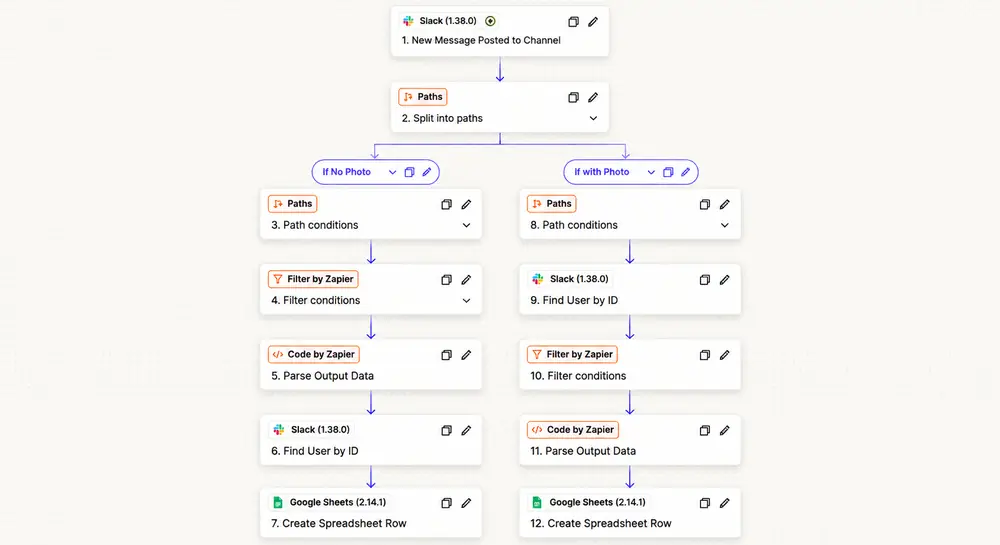
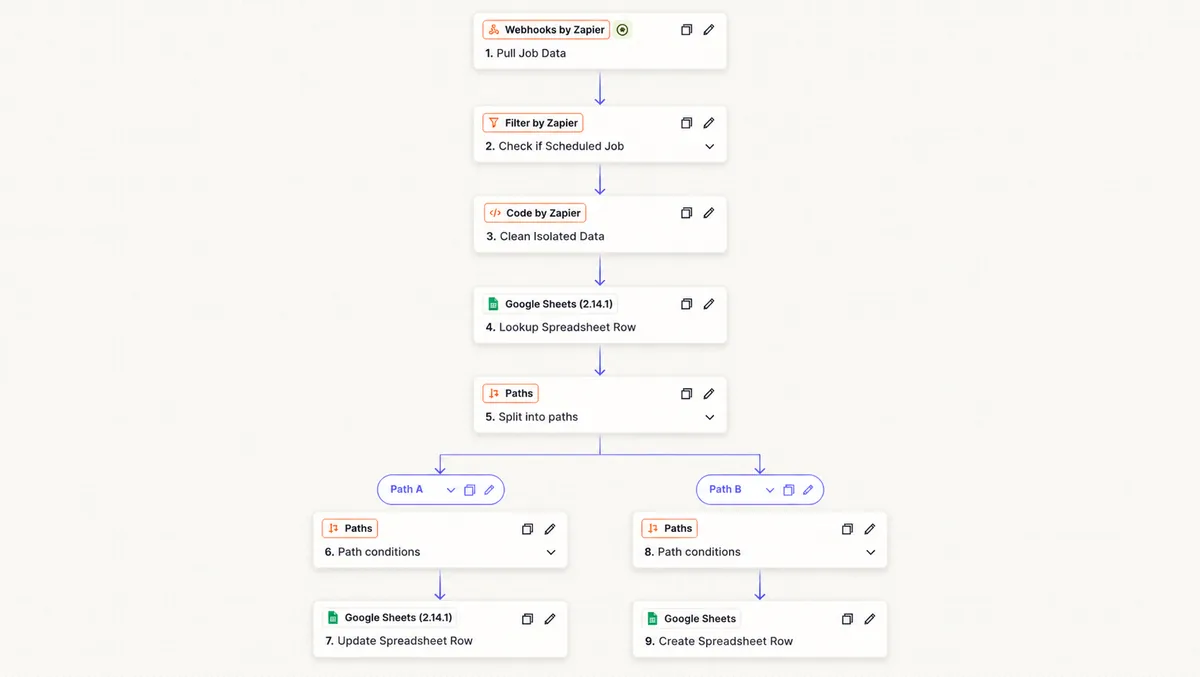
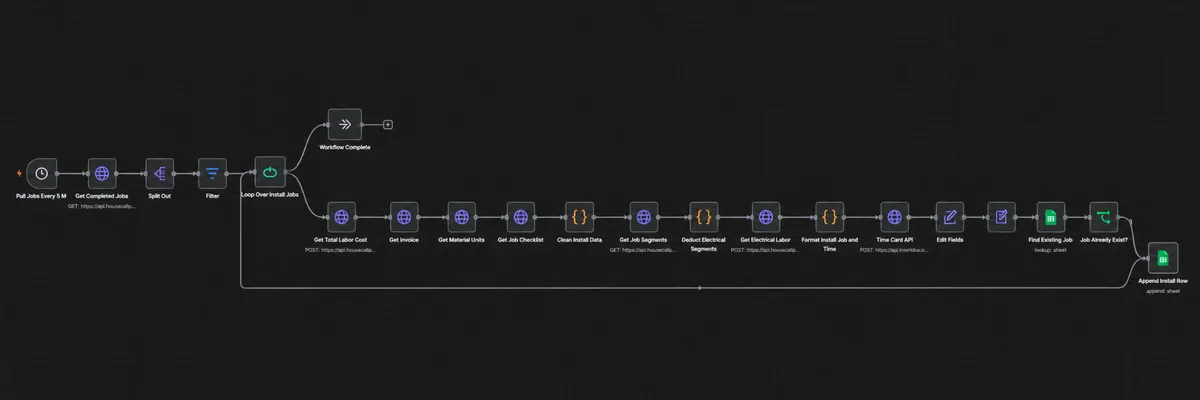
Manual reporting and fragile browser-based processes
Scheduled dashboards with a shared view of daily operations
The system now runs one automated reporting cycle each day across two service locations, using three data-retrieval paths to keep operations visible without rebuilding reports manually.
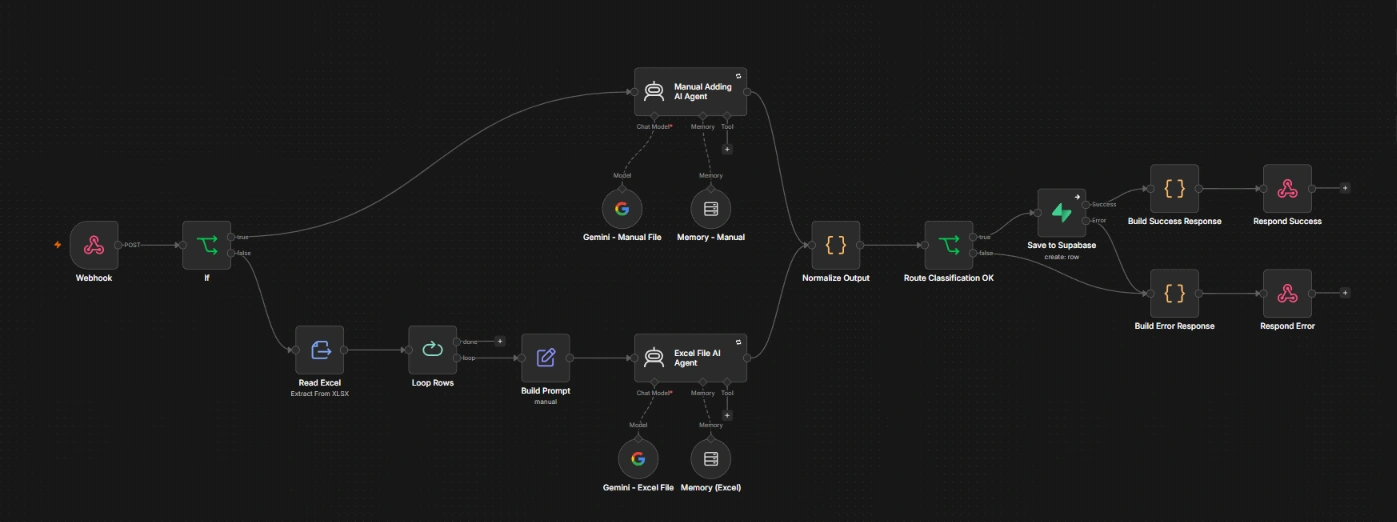
Operational data arrived through free-form WhatsApp messages and had to be read and re-entered into Monday.com manually.
The three-stage workflow turns WhatsApp updates into Monday.com records, with 100% of writes passing through human approval before data is saved.
Smart CRM Portal is a full-stack lead-operations product for small business teams. A custom React dashboard, a tenant-scoped Supabase backend, and n8n AI workflow automation connect lead capture, qualification, sales follow-up, and reporting in one workspace.
Five connected n8n workflows support the product's core loop, from AI-assisted intake and lead routing through controlled follow-up and verified weekly summaries.
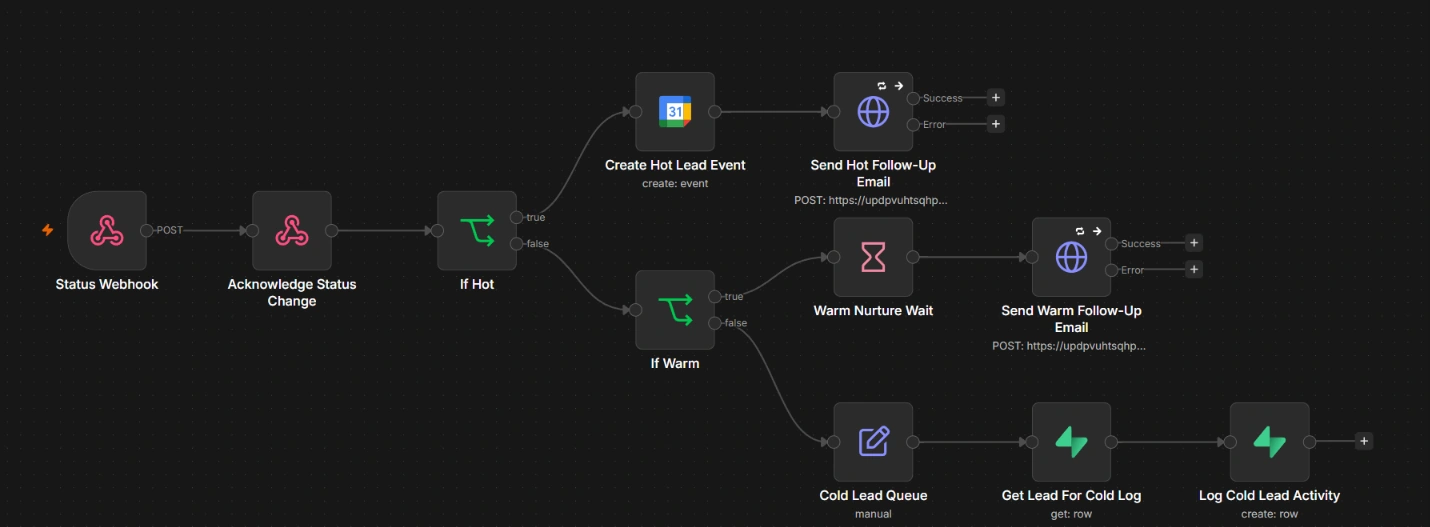
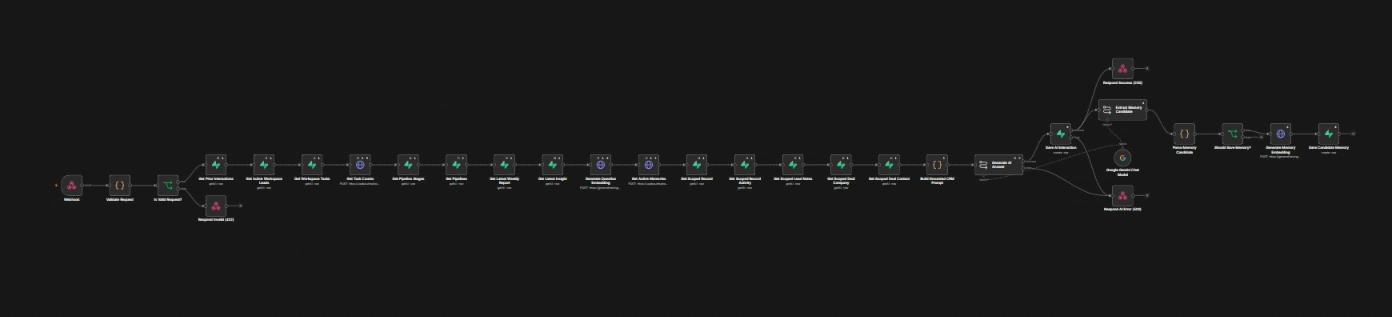
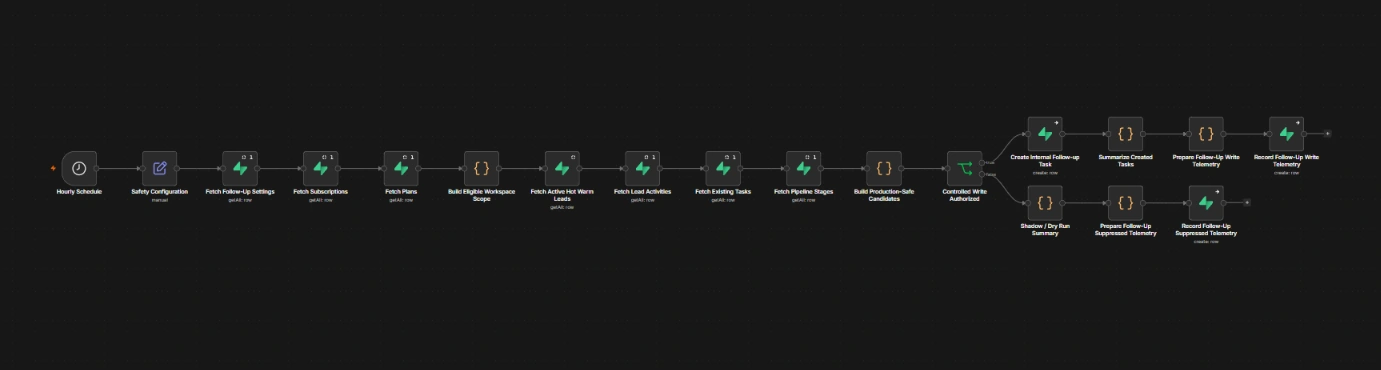
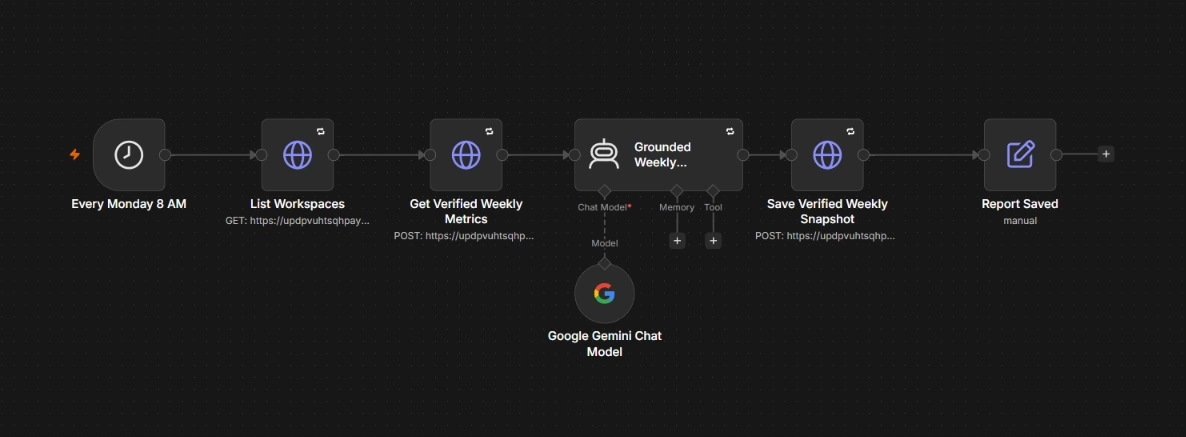
Lead capture, AI qualification, routing, pipeline management, follow-up, and reporting are connected to the same working CRM interface and workspace data.
Try the public workflow sandbox with synthetic CRM records. The full CRM requires sign-in, and the source repository is private.
Hotel staff repeatedly answer the same questions about policies, amenities, and local recommendations, including outside normal hours.
View the prototype on GitHub.
The assistant provides 24/7 answers across three common guest information areas from one approved knowledge source, reducing repetitive questions handled by hotel staff.
Workflows
Self-directed demonstrations of data flow, branching, reconciliation, and content processing. These are demo builds, separate from the delivered client projects above.
Self-directed demonstration
A two-source reconciliation pattern: fetch inventory and sales, join on product ID, and branch to alerting or a stock-update path. Built to explore data-integrity checking between two systems.
Self-directed demonstration
A warehouse audit pattern: pull two warehouse feeds, join them, reconcile the differences in a code step, and write an audit trail to a sheet.
Self-directed demonstration
An order-to-delivery orchestration pattern: check stock, raise a purchase order, refresh inventory, then merge and notify; with a conditional path on the stock check.
Self-directed demonstration
A modular workflow that accepts a blog URL, structures the article with an AI model, generates title and section visual assets, stores the files in Google Drive, and passes normalized metadata into a separate Google Sheets storage workflow. Identifiers and endpoints sanitized.
Core capabilities
I'm Ed Rowell Kilat, a freelance AI automation and workflow specialist based in Iligan City, Philippines.
Before automation, I worked in customer service, sales, and business development. That experience shapes how I build: I care about the people using a workflow and whether it makes their work easier.
I like understanding why a process works the way it does before changing it. Sometimes the fix is a simple automation. Sometimes it means digging into an API or writing code to connect something the usual integration can't handle.
Off the clock: the gym, good conversations, and an unreasonable loyalty to graham mango float.
These are tools I’ve used across client projects and independent builds. I choose the combination around the workflow and keep learning as the requirements grow.
tools modal technical CTAMy work spans n8n and Zapier, REST APIs and webhooks, AI extraction, browser automation, and operational reporting. TypeScript, automated testing, queues, and system design are areas I’m actively developing.